Trump says ‘many countries’ will send warships to Hormuz amid Iran blockade
 14 March 2026
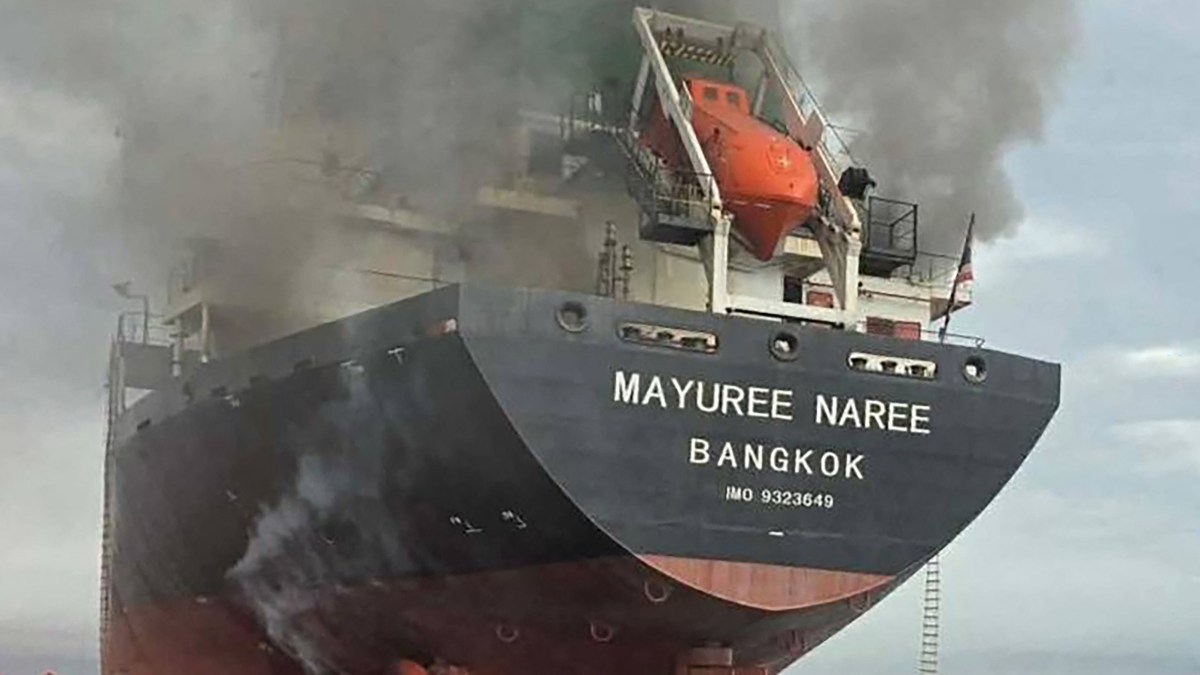

United States President Donald Trump has said “many countries” will dispatch warships to keep the Strait of Hormuz open, without offering details about which states are on board.
This comes as the waterway that carries a fifth of global oil and liquefied natural gas remains effectively closed on the 15th day of the US and Israel’s war on Iran.
- list 1 of 3Two Indian ships cross Strait of Hormuz as Iran says it allowed passage
- list 2 of 3Iran says Strait of Hormuz will not be reopened to US ships
- list 3 of 3Iran allows limited Indian shipping through Strait of Hormuz
end of list
Writing on Truth Social on Saturday, Trump said nations “especially those affected by Iran’s attempted closure” of the strait would be sending warships “in conjunction with the United States of America, to keep the Strait open and safe,” naming China, France, Japan, South Korea and the United Kingdom among those he hoped would contribute.
In the post, Trump asserted that the US had “already destroyed 100% of Iran’s Military capability,” while conceding in the same breath that Tehran could still “send a drone or two, drop a mine, or deliver a close range missile” along the waterway.
He pledged that in the meantime, the US would be “bombing the hell out of the shoreline, and continually shooting Iranian Boats and Ships out of the water,” promising to get the strait “OPEN, SAFE, and FREE.”
US Energy Secretary Chris Wright told US news outlet CNBC last week that the US was not ready to do escorts for ships through the strait itself.
Iran’s Foreign Minister Abbas Araghchi clarified that the strait was only closed to “tankers and ships of enemies and their allies,” not all shipping, while Mohsen Rezaee, a member of Iran’s Expediency Discernment Council, an influential body close to the supreme leader, said, “No American ship has the right to enter the Gulf.”
Advertisement
Two Indian-flagged tankers carrying liquefied petroleum gas crossed the strait safely on Saturday morning, Rajesh Kumar Sinha, special secretary of India’s Ministry of Ports, Shipping and Waterways, said.
Iran’s ambassador to India, Mohammad Fathali, confirmed that Tehran had granted Indian vessels a rare exemption, the result of direct talks between Prime Minister Narendra Modi and Iranian President Masoud Pezeshkian on Thursday.
A Turkish-owned vessel was similarly allowed through earlier this week after Ankara negotiated passage directly with Tehran, with 14 more Turkish vessels still awaiting clearance.
The US is reinforcing its presence in the region, with some 2,500 Marines and the USS Tripoli amphibious assault ship en route to the Middle East following a request by CENTCOM approved by Defense Secretary Pete Hegseth.
Al Jazeera’s Kimberly Halkett, reporting from the White House, said Iran’s most powerful remaining weapon was not military but economic, adding that the threat of damage alone to US ships is paralysing the strait and the goods that flow through it.
“That is why we see the US president suggesting this coalition needs to be broadened,” Halkett said.
The closure is also threatening global food security, according to the Center for Strategic and International Studies. The strait is a critical conduit for LNG exports, the primary feedstock for the nitrogen-based fertilisers used to grow the staple grains and cereals that provide more than 40 percent of global caloric intake.
India, facing a critical cooking gas shortage, has invoked emergency powers to protect 333 million LPG-dependent homes.
UN humanitarian chief Tom Fletcher has warned that “millions of people are at risk” if humanitarian cargo cannot pass safely through the strait.
Hegseth dismissed suggestions that the Pentagon had been caught off guard by the strait’s closure on Saturday. “We have been dealing with it, and don’t need to worry about it,” he said.
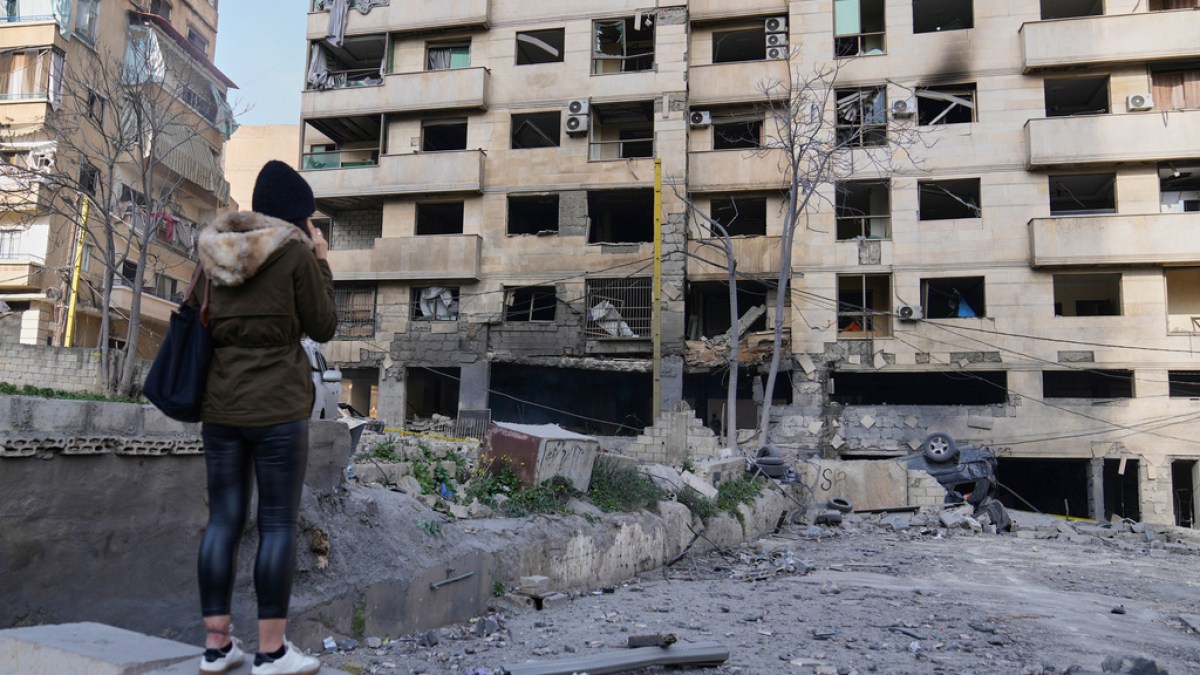
At least 1,444 people have been killed in Iran since the war began on February 28, with Lebanon’s death toll also mounting and Gulf states facing sustained drone and missile fire.
Andreas Krieg of King’s College London’s School of Security Studies described Trump’s coalition call to Al Jazeera as “a desperate move in an information campaign to calm markets.” Krieg said there was no quick military solution to reopening the strait, as all Iran needed to do was strike occasionally to keep insurers away.
“It doesn’t seem like they had a plan for the Strait of Hormuz to be closed, and it seems like a desperate move in an information campaign to calm markets and that something magical will happen to open the straits short of actually engaging with the Iranian regime,” he said.
Advertisement
Sending naval vessels without a diplomatic agreement, he said, would only expose “very, very expensive military vessels to very cheap but potentially very effective projectiles”.
Related News
Trump says Iran war projected to last 4 to 5 weeks, could go ‘far longer’
Analyst says interest in Epstein files plummeted after war on Iran launched
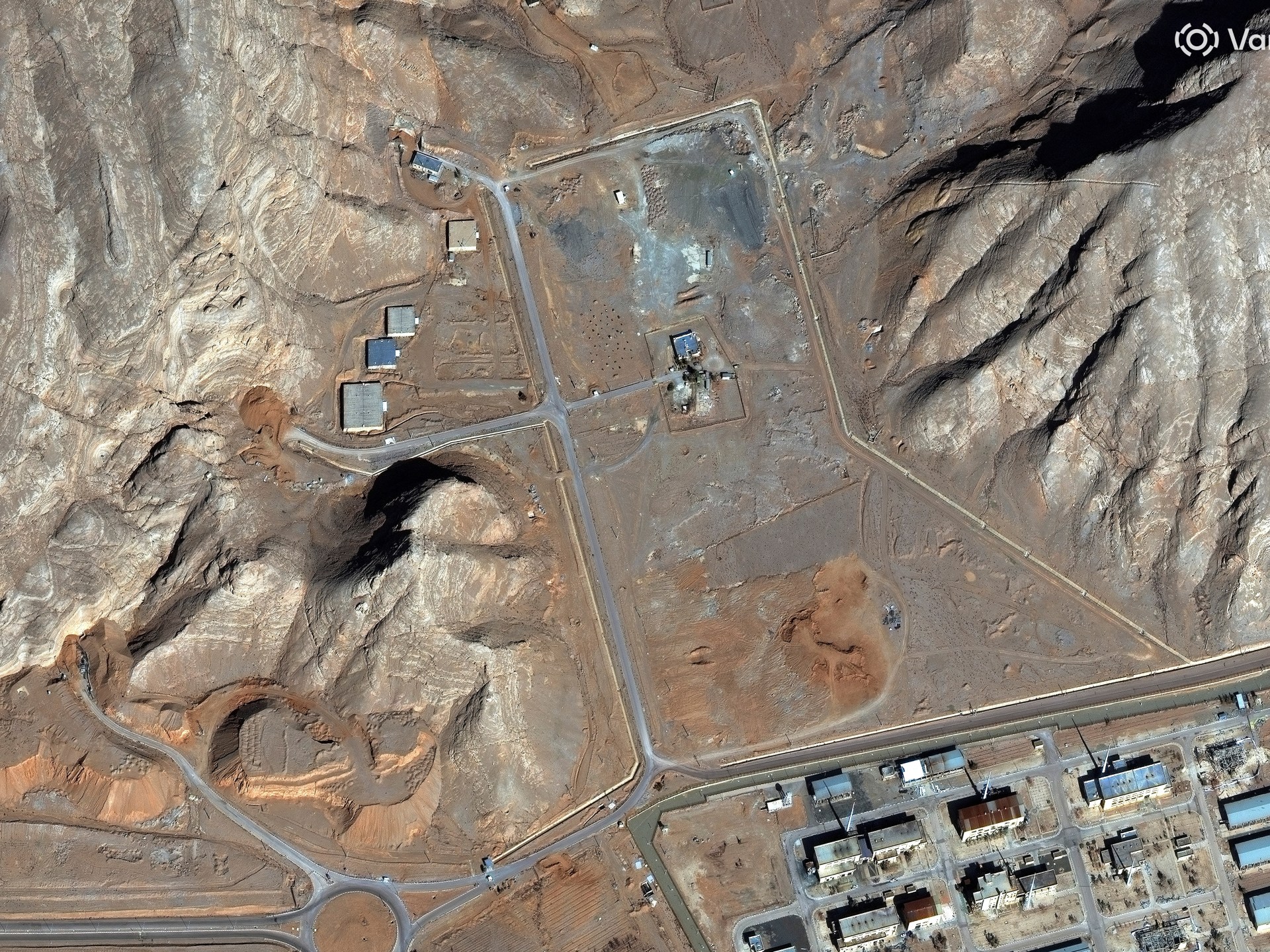
IAEA urges Iran to allow inspections, points at Isfahan