
US Secretary of State Marco Rubio has spoken with Iraqi Prime Minister Mohammed Shia al-Sudani, following the transfer of ISIL (ISIS)-linked detainees from Syria to Iraq, as he encouraged Baghdad to maintain autonomy from Iran amid heightened tensions between Washington and Tehran.
In a news release, the United States Department of State said Rubio and al-Sudani spoke on Sunday, during which the top US diplomat “commended the Government of Iraq’s initiative and leadership in expediting the transfer and detention of ISIS terrorists”.
- list 1 of 4What al-Maliki’s return would mean for Iraq and the region
- list 2 of 4Trump says ‘US armada’ moving towards Iran as tensions escalate
- list 3 of 4US sanctions Iran ‘shadow fleet’ it says fuels violent protest crackdown
- list 4 of 4Iran rejects UN rights resolution condemning protest killings
end of list
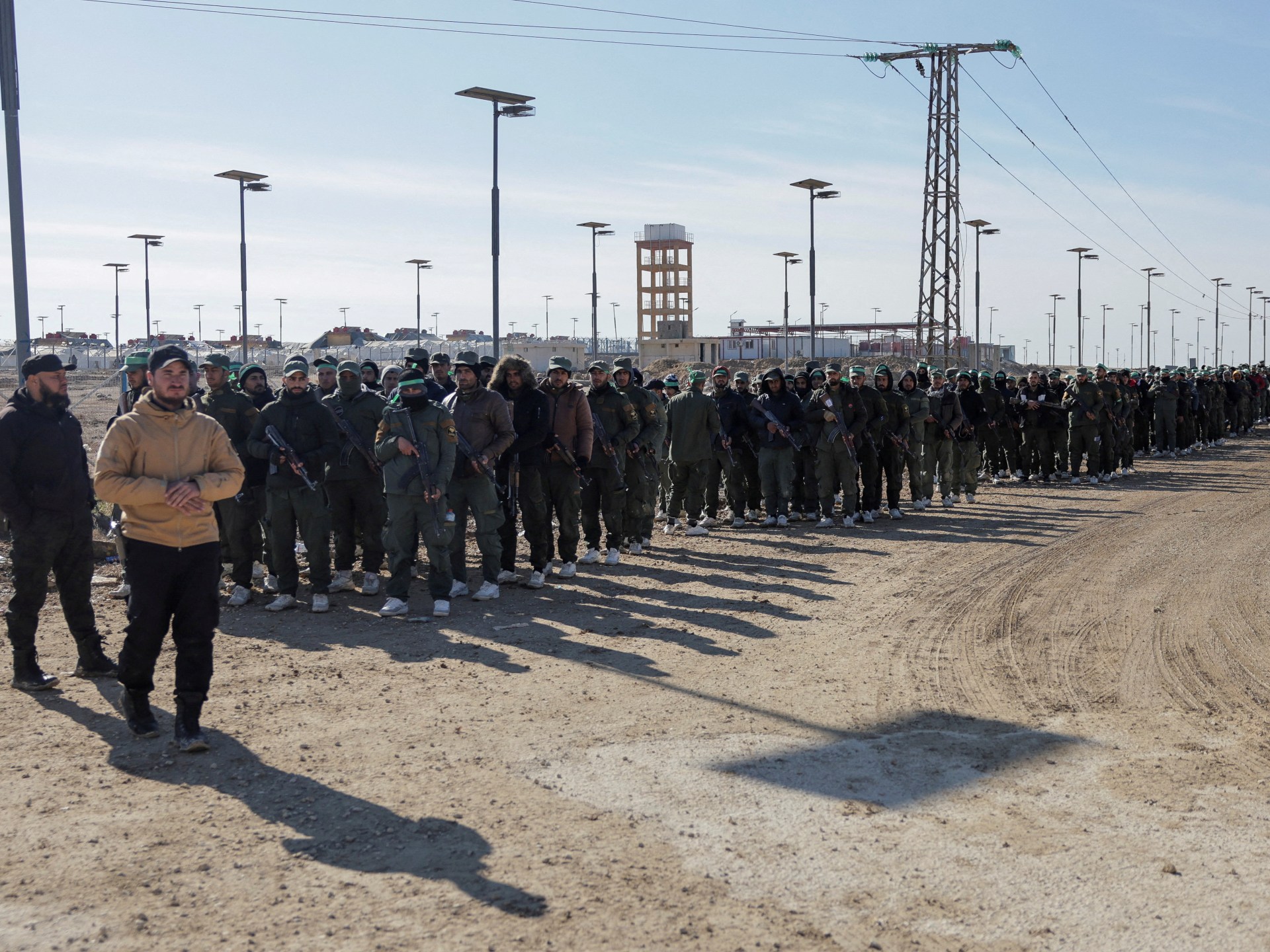
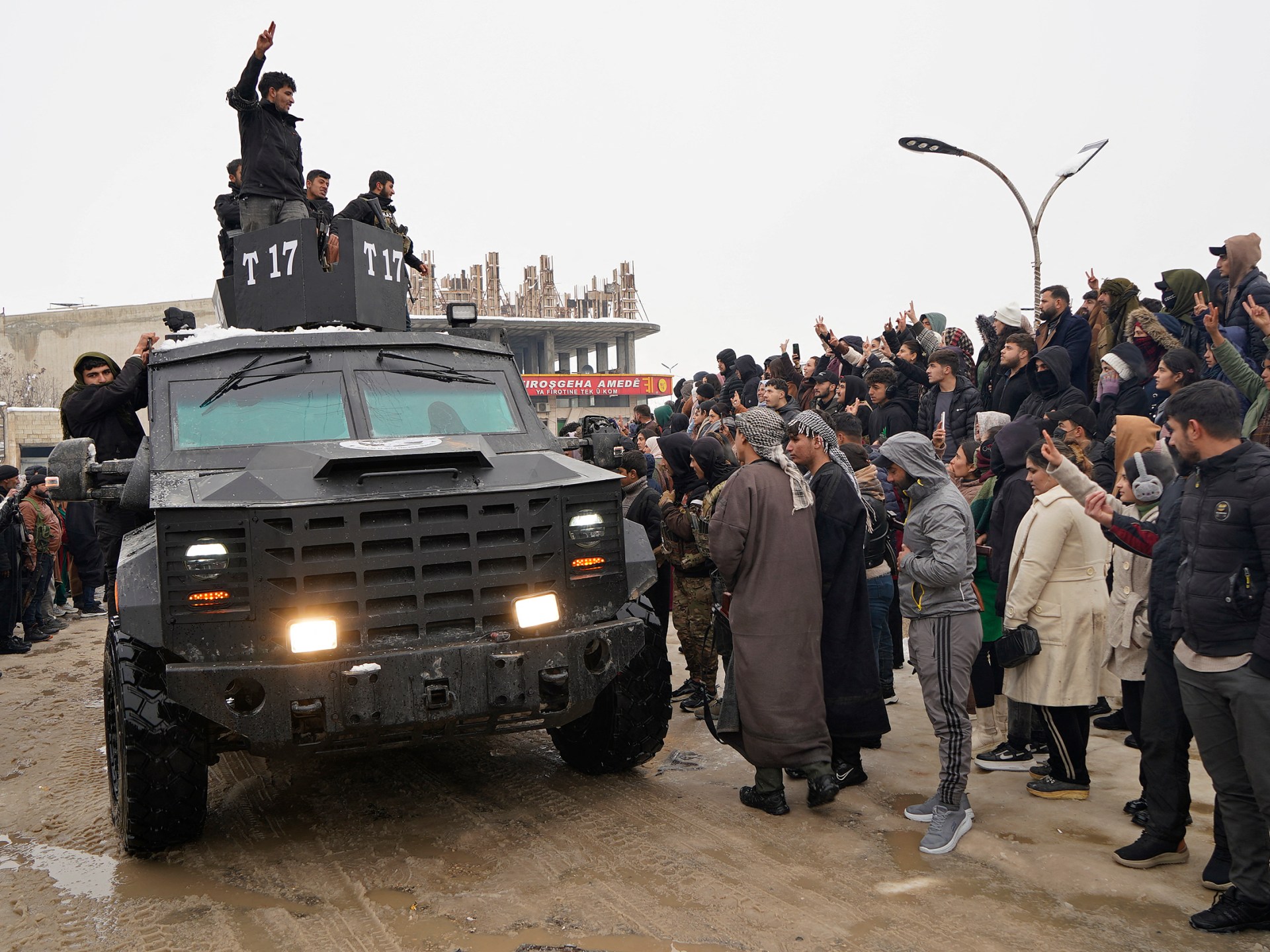
On Wednesday, the US military said it moved the first 150 detainees, being held in a detention facility in Hasakah, Syria, to a secure location in Iraq, as the Syrian army took control of more territories previously held by the Kurdish-led Syrian Democratic Forces (SDF). The military plans to transfer up to 7,000 people to Iraq.
The move represented a seismic shift in how the US handles its fight against ISIL, which has historically relied on a decade-plus relationship with the SDF, in favour of partnering with the Syrian government and Baghdad. The SDF was trained and armed by the US in the fight against ISIL.
The call on Sunday also came as Iraq is expecting a return of Nouri al-Maliki as prime minister after more than 10 years. Al-Maliki first became prime minister in 2006 with the backing of the US. His ties with the US soured after being accused of implementing sectarian policies that led to the rise of ISIL in Iraq.
Advertisement
Rubio said “Iraq can fully realise its potential as a force for stability, prosperity, and security in the Middle East” as a new government is expected to take power in Baghdad.
“The secretary emphasised that a government controlled by Iran cannot successfully put Iraq’s own interests first, keep Iraq out of regional conflicts or advance the mutually beneficial partnership between the United States and Iraq,” Rubio said, according to State Department spokesman Tommy Pigott.
Meanwhile, the US has been moving its military assets in the Middle East. On Thursday, President Donald Trump said an “armada” of warships was heading towards the Gulf with Iran as its focal point.
During the mass protests that rocked Iran starting in late December, Trump repeatedly threatened to intervene militarily, prompting Tehran to pledge retaliation. The US struck three of Iran’s nuclear sites last June during Israel’s 12-day war with Tehran.
“We’re watching Iran. We have a big force going towards Iran,” Trump said of the armada.
Iranian Foreign Ministry spokesperson Esmail Baghaei on Monday said that Tehran “will respond to any aggression more powerfully than before with a response that will make the aggressor regret it”.
“We have faced, and continue to face, hybrid warfare. Following the aggression in June, over the past few months we have been confronted with a new threat from the United States and the Zionist regime,” he said, referring to Israel.
“Countries in the region are aware that any insecurity in the region is not aimed solely at Iran, therefore, there is a shared concern among regional countries.”
The US invaded Iraq in 2003, causing the country to descend into political chaos and the rise of al-Qaeda and later ISIL. US troops withdrew in 2009.
Washington fears the influence of the pro-Iranian Shia armed groups, which operate under the umbrella of the Popular Mobilization Forces (al-Hashd al-Shaabi or PMF). The PMF played major role in the fight against ISIL.
The US wants armed groups to be dismantled and integrated into the state structures.
Related News
France bans 10 far-right UK activists for targeting migrant boats
Russia-Ukraine war: List of key events, day 1,428
Syrian army, Kurdish-led SDF accuse each other of ceasefire violations