
Portugal has begun voting in the first round of a presidential election in which a far-right candidate could, for the first time, make it to a run-off, possibly securing another win for Europe’s burgeoning far-right parties.
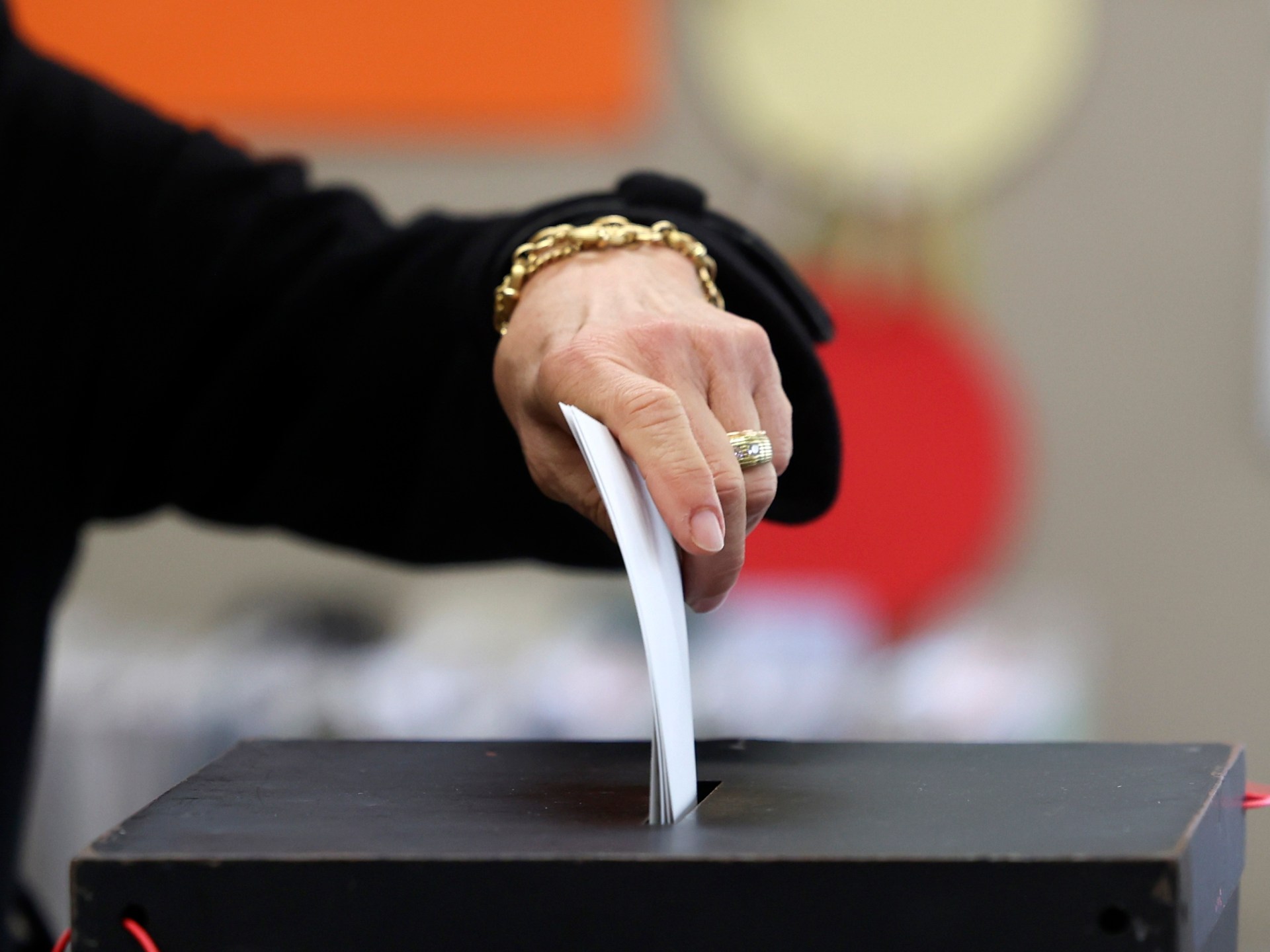
Polling stations opened at 8am local time (08:00 GMT) on Sunday across the country, and exit poll results will be announced 12 hours later. Almost 11 million people are eligible to vote in the election, which has 11 candidates.
- list 1 of 3Portuguese Empire: Ports and Profits
- list 2 of 3Which countries will start using the euro in 2026?
- list 3 of 3Russia-Ukraine war: List of key events, day 1,396
end of list
Polls predict Andre Ventura, leader of the far-right Chega (Enough) party, could top the first round but would lose round two on February 8, regardless of which of the other candidates he faces there.
This would be the first time in four decades that a candidate has not won outright in the first-round ballot, which requires securing more than 50 percent of the vote.
In Portugal, the president is largely a figurehead with no executive power. Mostly, the head of state aims to stand above the political fray, mediating disputes and defusing tensions.
However, the president is an influential voice and possesses some powerful tools, being able to veto legislation from parliament, although the veto can be overturned. The head of state also has the power to dissolve parliament and call early elections.
The winner will replace President Marcelo Rebelo de Sousa, who has served the limit of two five-year terms.
Chega’s surge in public support made it the second-largest party in Portugal’s parliament last year, just six years after it was founded.
One of Ventura’s main targets has been what he calls “excessive immigration”.
Advertisement
During the election campaign, Ventura put up xenophobic billboards across the country saying, “This isn’t Bangladesh” and “Immigrants shouldn’t be allowed to live on welfare.”
Other leading candidates are from the country’s two main parties that have alternated in power for the past half-century: Luis Marques Mendes from the centre-right Social Democratic Party, currently in government, and Antonio Jose Seguro of the centre-left Socialist Party.
Political events in Portugal have little bearing on the overall direction of the European Union. Its economy accounts for only about 1.6 percent of the EU’s gross domestic product (GDP), and its armed forces are of a modest size.
Related News
Geoeconomic confrontation world’s top threat, global leaders say

Trump wants to cap credit card interest rates at 10%. Would that work?
Russia-Ukraine war: List of key events, day 1,412