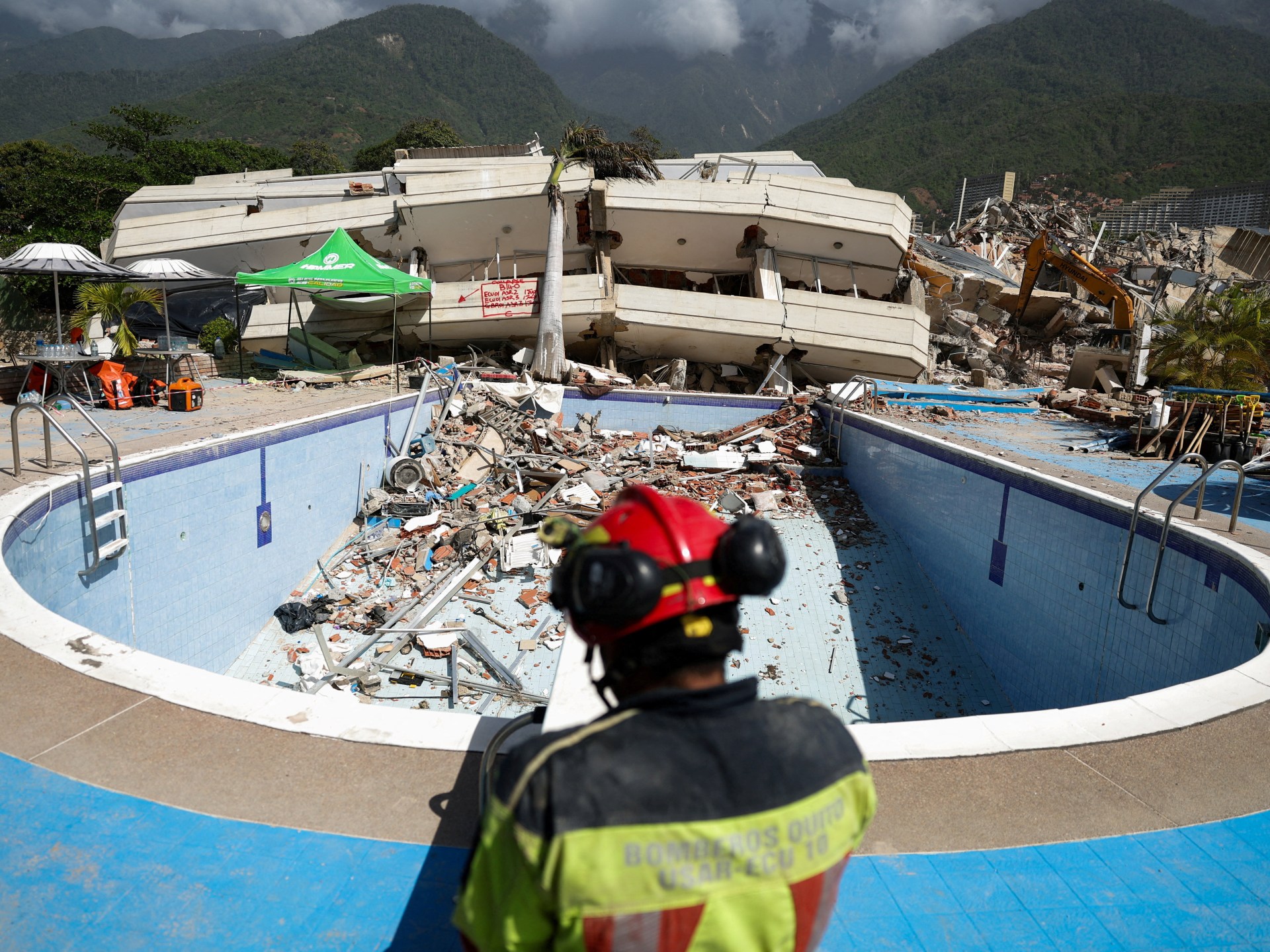

Medical experts fear the aftermath of Venezuela’s devastating twin earthquakes could trigger a widening health crisis marked by untreated injuries, infectious diseases, and a healthcare system already on the brink of collapse.
Thousands of displaced Venezuelans are sleeping in crowded temporary shelters or outside without access to clean water amid dismal sanitary conditions following the June 24 earthquakes, which officials said on Wednesday killed at least 2,295 people and left more than 11,000 injured.
- list 1 of 3Families hold out hope for survivors five days after Venezuela earthquakes
- list 2 of 3Venezuela earthquake victims shelter at golf course
- list 3 of 3Aftershock hits Caracas during critical hours for Venezuela rescue efforts
end of list
“The issue we foresee just around the corner is the infections that patients who have been exposed to the disaster for the longest time might bring,” said Eugenio Cova, the head of the trauma unit at Hospital Jose Gregorio Hernandez in Caracas.
“We’ve already gone through a period of complex trauma – which will continue to occur – but now, it’s complicated by infections,” Cova said.
Aid workers also warn that the extensive damage to infrastructure could fuel outbreaks of diseases in the hardest-hit communities.
“There’s been lots of reports among the population here with diarrhoea and other diseases,” said Al Jazeera’s correspondent Teresa Bo, reporting from a shelter site in the region of La Guaira.
“They’re asking, for example, for portable toilets, and also help from the government to try to reorganise this place to try to prevent overcrowding, but also the spread of disease,” Bo said.

US military deploys 900 personnel to aid Venezuela
The United States has deployed some 900 military personnel on the ground in Venezuela to support relief and rescue operations as of Wednesday, Steven McLoud, a spokesperson for the US military’s Southern Command (SOUTHCOM), told The Associated Press news agency.
Advertisement
According to McLoud, the US military has repaired an earthquake-damaged runway at Venezuela’s main international airport, which serves Caracas, to allow for the arrival of humanitarian assistance, and has stationed naval vessels off the country’s coast to assist in the aid operation.
An additional 100 people from the US Department of State have been sent to support the efforts, McLoud said.
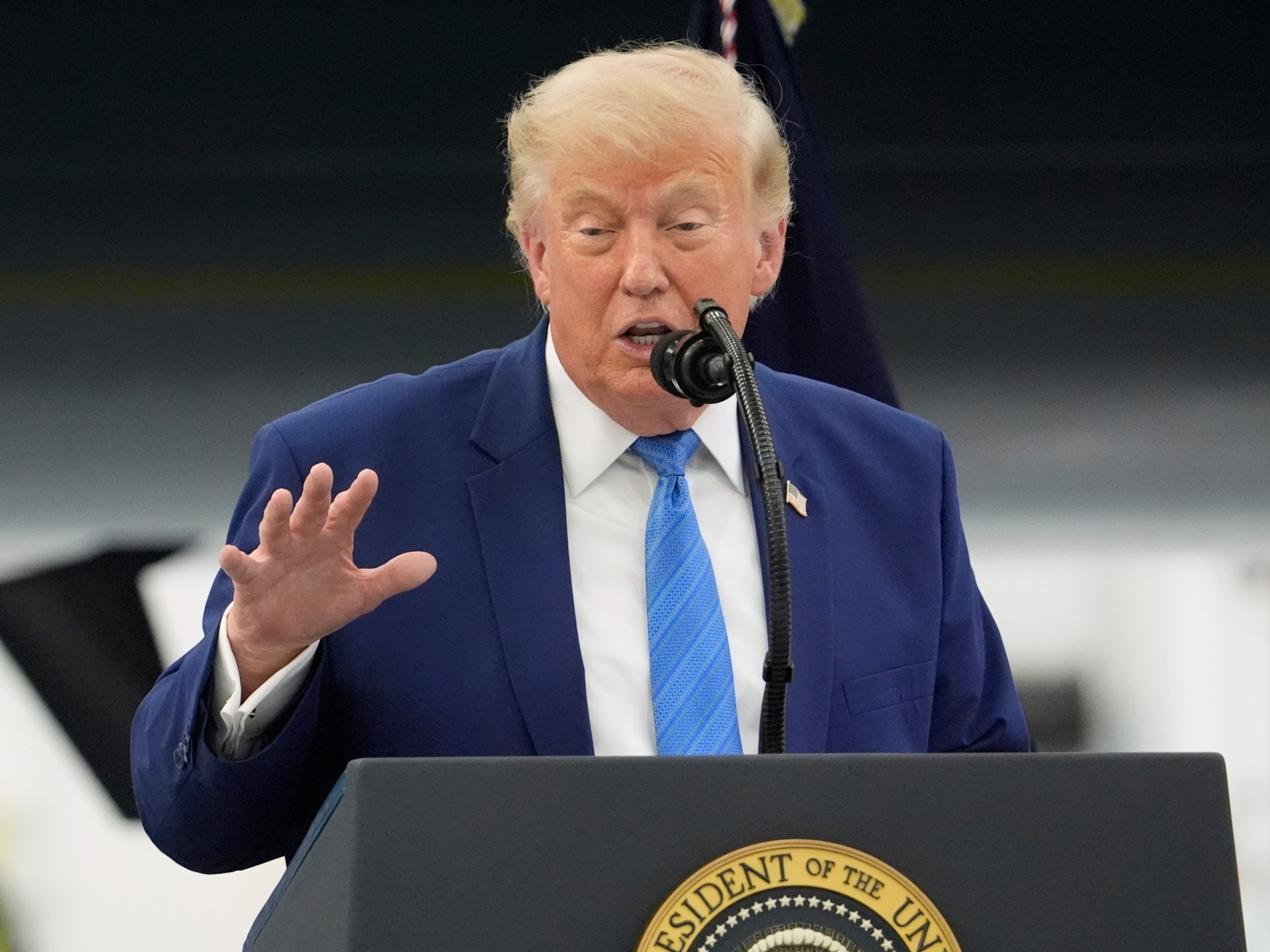
So far, the administration of US President Donald Trump has offered Venezuela $300m in assistance channelled through aid groups and the United Nations.
That contribution is just a fraction of the post-earthquake aid the country needs, with material damage from the devastating quakes estimated at more than $6.7bn, according to satellite analysis by the UN Development Programme.

About 50 other international aid teams have arrived in the country in recent days to help with search-and-rescue operations, including from Ecuador and Israel, which do not have diplomatic relations with Venezuela.
Against the odds, rescuers continue to find a small number of survivors, including on Tuesday, a toddler who had been trapped for six days beneath the rubble.
Kevin Simm, a volunteer aid worker, told Al Jazeera the scale of the destruction was akin to armed conflict.
“This obviously brings to mind the current situations that are going on across Gaza and Ukraine,” Simm said.
“It’s like a scene from a movie or from a war zone… We have never seen this in peacetime.”
Venezuela’s crisis-stricken hospitals dealt another blow
Long before the earthquakes, Venezuela’s public hospitals were strained by shortages of water, energy, critical medical equipment, and highly trained staff, according to reports.
More than 7.7 million Venezuelans have left the country since its economic crisis began in 2013 under then-President Nicolas Maduro, who was abducted by US forces in a military raid, along with his wife, earlier this year.
Many specialised doctors and nurses were among those who departed, with Venezuela’s medical association estimating that about one-third of its 60,000 registered physicians have left the country.
Huniades Urbina, a member of the board of Venezuela’s paediatrics association, said that a 2025 national survey of public hospitals revealed shortages of more than 30 percent of emergency supplies, and more than 70 percent of supplies in operating rooms.
Laboratories are “all practically closed or do the basic things only”, Urbina said.
Advertisement
The earthquakes “once again highlight the Venezuelan government’s inability to provide an adequate healthcare system that meets the needs of the Venezuelan people”, he added.
Related News
‘If I am to die, let it be here’: Malawians fleeing unrest in South Africa
Israel continues attacks on Lebanon despite agreeing to ceasefire
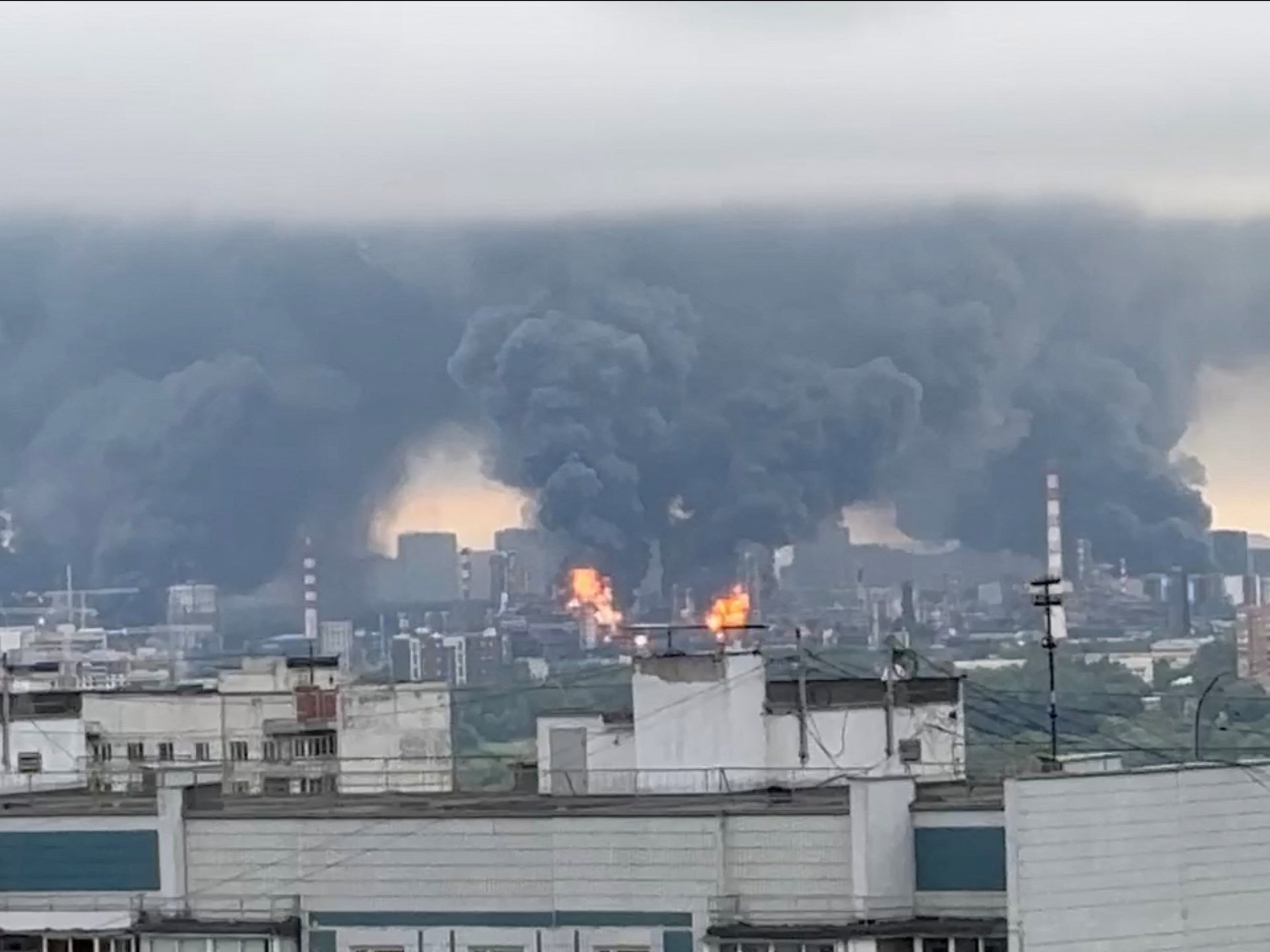
Ukraine hits Moscow refinery as Zelenskyy seeks Trump support to end war